Understanding the Radon Health Risk and What Homeowners Can Do About It
@myradonhealthriskexpert
Radon gas is a subject that tends to get filed under "problems I will deal with later." I have been in enough basements and crawl spaces to understand why. The gas is invisible, has no smell, and does not cause immediate symptoms. But the data on long-term exposure is clear. The EPA estimates that radon is responsible for about 21,000 lung cancer deaths per year in the United States. That makes it the second leading cause of lung cancer after smoking. The radon health risk is real, and it is something every homeowner should understand before they spend another winter sealed up indoors.
The challenge is that radon does not behave like a typical home hazard. You cannot see water damage spreading or smell a gas leak. Radon comes from the natural decay of uranium in soil and rock. It seeps up through the ground and into buildings through cracks in the foundation, gaps around pipes, and even through porous concrete. Once inside, it can accumulate to levels that pose a serious health risk. And because the gas is radioactive, every breath you take in a contaminated home delivers tiny doses of radiation to your lung tissue. Over years of exposure, that damage adds up.
Why Local Geology Matters More Than You Think
One of the first things I learned in this field is that radon levels vary dramatically from one neighborhood to the next. The EPA publishes a radon potential map that gives a general idea of risk by county. But that map is a broad brush. I have tested homes in St. Louis where one house had a reading of 4 picocuries per liter, the EPA action level, and the house next door had a reading of 35. The difference came down to soil composition, foundation type, and how the house was built.
St. Louis sits on a mix of glacial till, limestone, and clay. Some areas have more fractured bedrock that allows radon gas to move upward more freely. A radon potential map is a good starting point, but it is not a substitute for actual testing. The only way to know what is happening inside your home is to perform a radon level measurement. That is where a simple radon test kit comes in. You place it in the lowest lived-in level of the house, leave it for the recommended period, and send it to a lab. The results will tell you whether you need to take action.
Testing Is Not a One-Time Event
Many homeowners make the mistake of testing once and forgetting about it. Radon levels can change with the seasons, with weather patterns, and with changes to the home itself. A new driveway or a landscaping project that alters drainage can shift the pressure dynamics under the slab. I recommend testing at least every two years, and definitely after any major renovation. Short-term tests are fine for a quick check, but a long-term test of 90 days to a year gives a more accurate picture of your average exposure.
The radon health risk is not something that happens overnight. It is cumulative. The American Lung Association has been vocal about this for years, and the National Radon Program provides resources for homeowners who want to understand the science. But the bottom line is that you cannot manage what you do not measure. If you have never tested your home, or if it has been more than two years since your last test, it is time to order a test kit.
What Happens When Levels Are High
If your test comes back at 4 picocuries per liter or higher, the EPA recommends taking action to reduce the level. The most common and effective solution is a mitigation system, specifically a sub-slab depressurization system. The principle is straightforward. A vent pipe is inserted through the foundation slab into the soil below. A radon fan mounted on the pipe creates suction that pulls radon gas from beneath the house and vents it safely above the roofline. This is called soil suction, and it works because it reverses the pressure difference that draws radon into the home.
Installing a system like this is not a weekend DIY project. The placement of the suction point, the sizing of the radon fan, and the routing of the vent pipe all require experience. A poorly installed system can actually make the problem worse by drawing more gas toward the house instead of away from it. That is why companies like Air Sense Environmental focus on proper design and installation. They also perform post-mitigation verification to confirm that the system is bringing levels down. A manometer is installed on the vent pipe to show that the fan is running and the system is under negative pressure. If the manometer reading drops, you know something is wrong.
Beyond the Fan: Sealing and Maintenance
A mitigation system is not a set-it-and-forget-it solution. The radon fan has a lifespan of about five to ten years, depending on the model and how hard it runs. The manometer should be checked periodically to make sure the system is still working. If the fan fails and you do not notice, radon levels can return to their original high values within a few days.
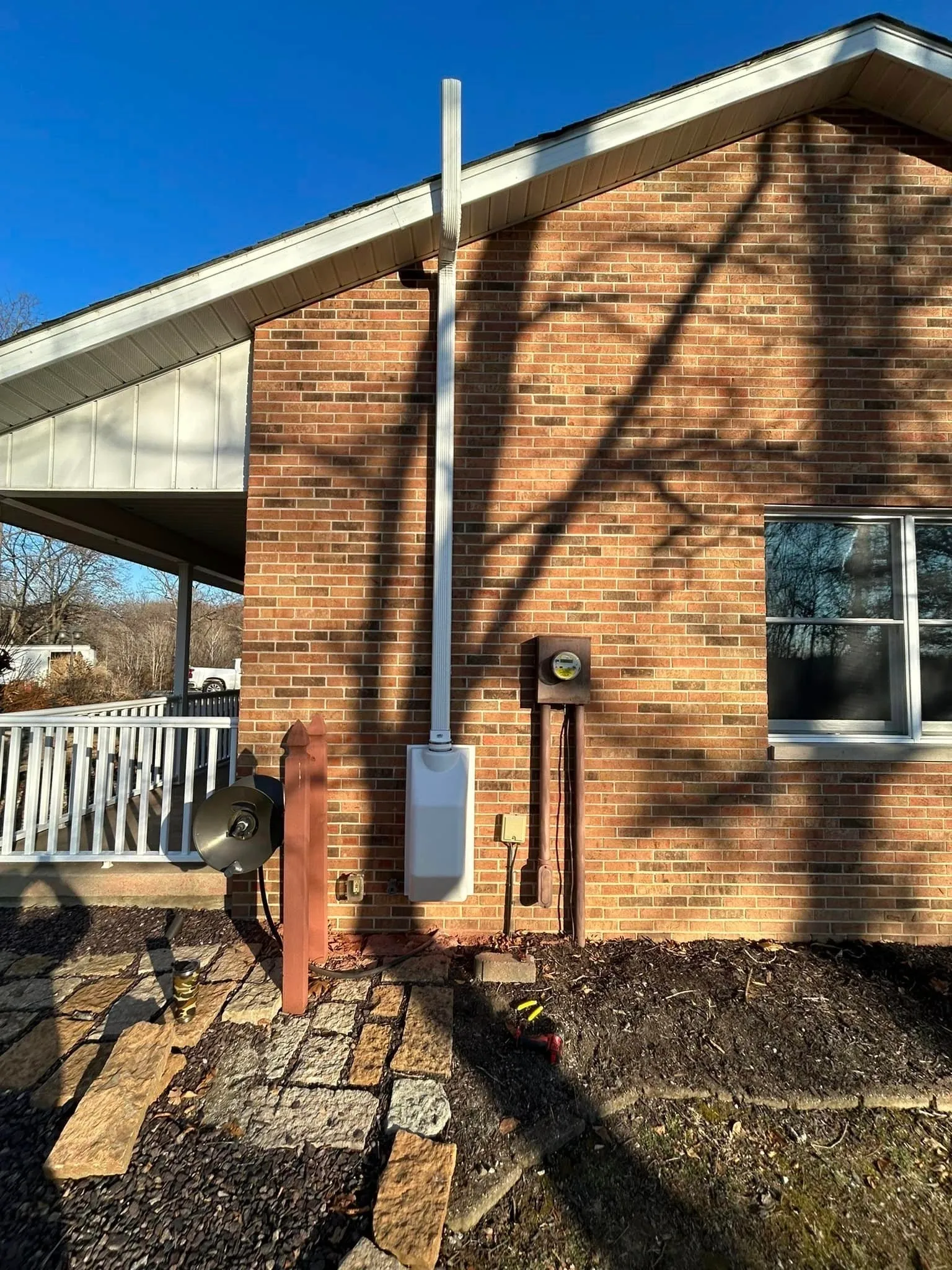
Sealing cracks in the foundation floor and walls is part of the process, but it is not a standalone fix. Caulking every gap might reduce radon entry by 10 to 20 percent, but it will not bring a high level down to safe range on its own. The combination of sealing cracks and installing a sub-slab depressurization system is what works. The sealing helps the system operate more efficiently by reducing the amount of soil gas that can enter through random openings.
I have also seen cases where a Home Inspector flagged radon during a pre-sale inspection. That can create a tense situation between buyer and seller. The buyer wants the level fixed before closing, and the seller wants proof that the system actually works. That is where a certified radon professional with a Continuous Radon Monitor, or CRM, can provide real-time data. A CRM gives hour-by-hour readings that show whether the level is staying below the action threshold under normal living conditions. That kind of documentation can save a deal.
Why Radon Gets Less Attention Than It Deserves
Part of the problem is that radon does not make headlines the way a flood or a fire does. It is a slow, silent hazard. Another part is that many people assume it is someone else's problem. They live in a new house, or they live in an area that is not marked high on the radon potential map. But new houses are not immune. Modern construction is often tighter, which can trap radon gas more effectively. And as I mentioned earlier, the map is a guide, not a guarantee.
The National Radon Program has worked for decades to raise awareness, and the American Lung Association includes radon in its public education campaigns. But the message still does not reach everyone. I have talked to homeowners who knew about radon but thought it only affected homes with basements. Not true. Slab-on-grade homes and homes with crawl spaces can have high levels too. The gas comes from the soil underneath the building, regardless of what type of foundation you have.
Practical Steps You Can Take Right Now
- Buy a radon test kit from a certified lab or your state radon office. Avoid cheap online kits that may not be accurate.
- Place the kit in the lowest room you use regularly. Do not test in a bathroom, kitchen, or laundry room where humidity and airflow can skew results.
- If the test shows 4 picocuries per liter or higher, contact a qualified radon mitigation contractor. Do not try to fix it yourself.
- If your home already has a mitigation system, check the manometer every month. If the reading changes, call for service.
- Retest every two years or after any major renovation. Levels can change.
I have seen too many cases where a family lived with high radon for years because they never tested. One homeowner in St. Louis told me she had a friend who died of lung cancer after living in a house with a radon level of 25 picocuries per liter for twenty years. That story is not unique. The radon health risk is serious, but it is also one of the most preventable home health hazards we have. Testing is cheap. Mitigation is more expensive, but it is a fraction of the cost of treating lung cancer.
The technology exists. Sub-slab depressurization has been proven effective for decades. The materials are standard: a vent pipe, a radon fan, a manometer, and some sealing materials. The real challenge is getting people to act. If you are reading this and you have not tested your home, order a test kit today. If you have tested and the level was high but you never followed through, call a professional. The radon health risk does not go away on its own. The only way to reduce it is to measure, mitigate, and verify.